If you are drawn to city energy, historic architecture, and a home with real character, downtown St. Louis loft living can be a compelling fit. It offers a different rhythm than a typical suburban condo or single-family home, with adaptive reuse buildings, walkable daily conveniences, and major attractions woven into everyday life. If you are wondering what living in a downtown St. Louis loft actually feels like, this guide will help you picture the lifestyle, the homes, and the details worth checking before you buy. Let’s dive in.
Downtown loft living at a glance
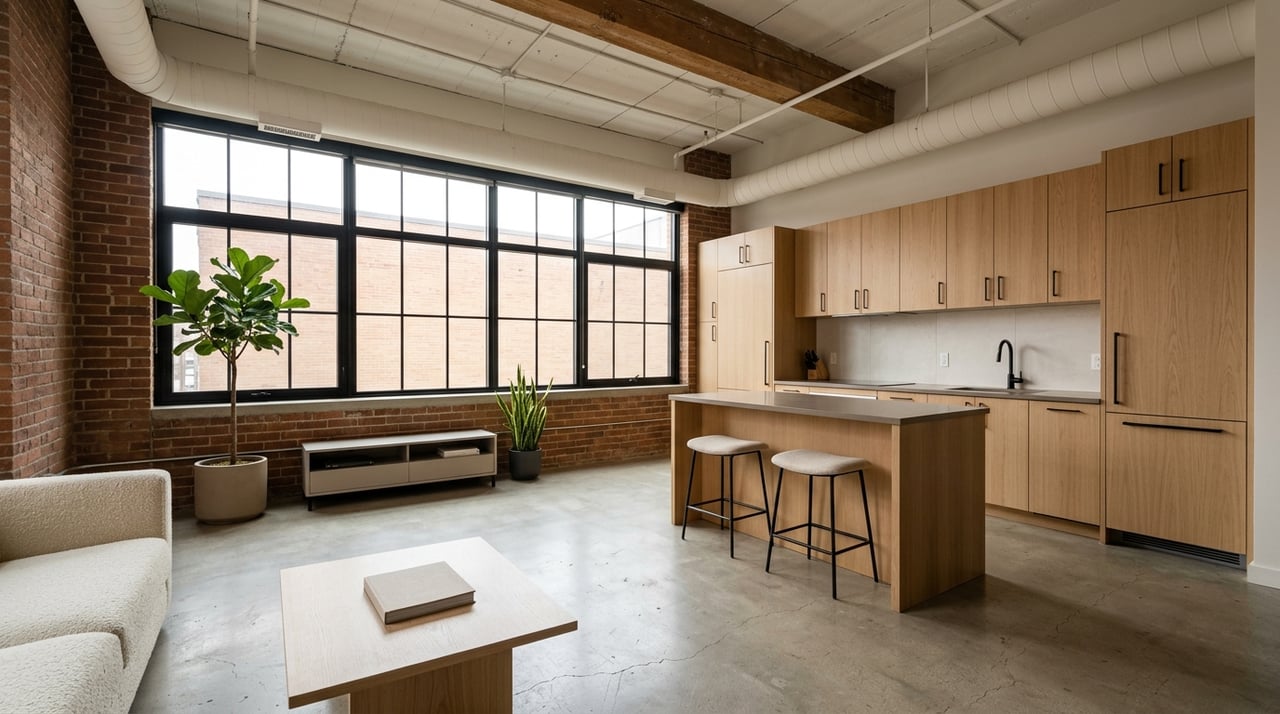
A downtown St. Louis loft is often part of a former warehouse, factory, or commercial building that has been converted into residential space. That history shapes the experience in a very visible way, from exposed brick and timber beams to open layouts and oversized windows.
Downtown living here is also closely tied to convenience. In a relatively compact urban core, you are close to transit, grocery options, parks, sports venues, museums, and riverfront public space. That combination of historic character and everyday access is a big part of what makes the loft lifestyle distinct.
Where downtown lofts are located
When people talk about downtown loft living, they are often referring to both Downtown and Downtown West. Downtown is bounded by Cole Street to the north, Leonor K. Sullivan Boulevard to the east, Chouteau Avenue to the south, and Tucker Boulevard to the west.
Downtown West sits immediately west of Downtown, between Tucker, Cole, Jefferson, and Chouteau. According to the City of St. Louis 2020 census data, Downtown had 5,442 residents and Downtown West had 5,115 residents, which helps explain why the area can feel active yet still geographically manageable.
What daily life feels like
The biggest shift for many buyers is how much of daily life happens close to home. Instead of getting in the car for everything, you may have groceries, coffee, restaurants, parks, and entertainment just a few blocks away.
That does not mean every day feels like a nonstop event. It means your routine can be more flexible. You can run errands, meet friends, spend time outdoors, and get around the city with less planning than you might need in a more spread-out area.
Getting around downtown
MetroLink is a major part of downtown mobility. The system spans 46 miles of rail across 38 stations and runs seven days a week from before 5 a.m. to about 1 a.m.
For downtown residents, stations such as 8th & Pine, Convention Center, Civic Center, Grand, Laclede’s Landing, and Union Station can make commuting and city access much easier. If you value having a transit option in your daily routine, that is a meaningful lifestyle benefit.
Running errands nearby
Downtown loft living can make simple errands more convenient than many buyers expect. Schnucks Downtown offers groceries along with prepared foods, a pharmacy, coffee, floral, wine and spirits, and free parking with purchase.
Building and neighborhood descriptions for the Washington Avenue area also point to restaurants, lounges, coffee houses, dry cleaners, shops, and markets within a few blocks. In practical terms, that can make your week feel more efficient and more connected to the neighborhood around you.
Spending time outdoors
Public space plays a bigger role in downtown living than many first-time loft buyers realize. Citygarden is a two-block urban sculpture park with free interactive art, fountains, gardens, 24 sculptures, rain gardens, a spray plaza, and a 180-foot pool.
The city also identifies downtown parks including Citygarden, Kiener Plaza, Memorial Plaza, and Washington Square Park. On the riverfront, redevelopment has added dedicated walking and biking paths, which expands the ways you can use outdoor space without leaving the core of the city.
Attractions become part of your routine
One of the more interesting things about living downtown is that major destinations stop feeling like places you visit once in a while. They become part of the backdrop of everyday life.
Gateway Arch National Park and the riverfront are right in the downtown area. You are also near Soldiers Memorial, Ballpark Village next to Busch Stadium, City Museum in a former shoe factory, and Union Station in Downtown West. Depending on where you live, that can mean event nights, weekend outings, and public spaces are all part of your regular pattern.
What downtown St. Louis lofts look like
If you have only toured newer condos, a loft can feel very different. The architecture often shows the building’s original industrial or commercial roots, and that usually creates a more individual look from one unit to the next.
Many downtown loft buildings offer one- and two-bedroom floor plans, while some newer projects also include three-bedroom loft-style units. Layouts can range from true open-design lofts to more private floor plans that separate sleeping and living areas more clearly.
Common loft features
Many downtown St. Louis lofts share a similar visual language, even though each building has its own details. Common features often include:
- Exposed brick
- Polished concrete
- Tall timber-beam ceilings
- Floor-to-ceiling windows
- Original hardwood floors
- Exposed concrete ceilings and walls
- Ceiling heights around 10 to 13 feet
These details are a large part of the appeal. If you want a home with texture, scale, and architectural personality, loft living can offer something that is hard to replicate in more conventional housing.
Typical building amenities
Amenities in downtown loft buildings are often practical rather than flashy. Many buildings emphasize modern convenience within a historic shell.
Features commonly include:
- In-unit washers and dryers
- Fitness centers
- Rooftop terraces or clubrooms
- Resident lounges
- Controlled access or key-fob entry
- Elevators
- Package receiving
- Garage, gated, or surface parking
- Shared outdoor space in some buildings
- Pet-friendly policies in some buildings
For many buyers, that balance is the sweet spot. You get character and history, but you do not necessarily give up the conveniences you rely on every day.
The biggest differences from suburban living
Living in a downtown St. Louis loft usually means trading some predictability for more character and access. Floor plans may be less conventional, storage may vary more by building, and your surroundings are more active and urban.
In return, you may get architecture that feels truly unique, a more walkable routine, easier transit access, and close proximity to parks, sports, museums, and the riverfront. Whether that feels like an upgrade depends on what matters most to you in daily life.
What to verify before you buy
Buying a loft is not just about liking the brick walls and tall ceilings. It is also about understanding the building, the association, and any limitations that come with a historic or conversion property.
That is where careful review matters. Downtown loft buildings can vary widely in policies, condition, and the level of modern updates they offer.
Review the condo resale certificate
Under Missouri condo law, a resale certificate is required before sale. It includes important items such as the declaration, bylaws, rules and regulations, monthly common-expense assessments, unpaid assessments, other fees, insurance coverage, and issues involving alterations or improvements.
If the building is a condominium conversion, the original sale certificate must also describe work done on major systems such as the foundation, roof, plumbing, electrical, and heating systems. For a buyer, this is one of the clearest windows into how the building operates and what responsibilities may come with ownership.
Ask practical building questions
Every loft building has its own rules and operating style, so it helps to ask direct questions early. A short checklist can save you from surprises later.
Make sure you verify:
- Whether parking is assigned and what kind of parking is included
- Whether storage comes with the unit
- The amount of HOA or association dues
- The strength of reserves
- The possibility of future special assessments
- The age and condition of the HVAC system
- Any rental restrictions
- Pet rules
- Limits on interior or exterior changes in a historic building
These details matter because two lofts with similar finishes can offer very different ownership experiences.
Understand historic-building limits and opportunities
Historic buildings can offer real appeal, but they can also come with restrictions on changes. Missouri’s Historic Preservation Tax Credit program offers a 25% state credit for qualified rehabilitation expenditures on approved historic structures.
It is also important to know that the federal 20% historic rehab credit applies only to certified historic structures used for income-producing purposes. Owner-occupied residential properties do not qualify for that federal credit. If you are considering updates, you will also want to understand how historic preservation standards may affect what can be changed.
Who loft living fits best
Downtown loft living often appeals to buyers who want more than square footage alone. You may be a strong fit if you value architecture, want a more urban routine, and enjoy being close to public spaces, transit, dining, and entertainment.
It can also work well if you are comfortable with a home that may have quirks. Historic conversions often offer more personality than newer construction, but that can come with layout differences, building-specific rules, and maintenance questions that deserve close review.
Why guidance matters in loft purchases
Loft purchases can look simple on the surface and become more complex once you start reviewing association documents, building systems, parking details, and renovation limits. That is especially true in older or converted buildings, where the right questions can make a meaningful difference.
Working with an advisor who knows the St. Louis market and pays close attention to contracts, documents, and negotiation can help you move forward with more confidence. For buyers exploring downtown lofts, that kind of clarity is often just as valuable as finding the right floor plan.
If you are considering a downtown St. Louis loft, the goal is not just to find a stylish unit. It is to find the right building, the right ownership structure, and the right fit for how you want to live. When you are ready for a thoughtful, hands-on buying experience, Will Springer Homes can help you evaluate your options with care and confidence.
FAQs
What is a downtown St. Louis loft?
- A downtown St. Louis loft is typically a residence created from a former warehouse, factory, or commercial building, often featuring open layouts, exposed brick, high ceilings, and large windows.
What is daily life like in downtown St. Louis?
- Daily life in downtown St. Louis can include walkable errands, access to MetroLink, nearby parks, grocery options, restaurants, and close proximity to attractions like the riverfront, Busch Stadium, and City Museum.
What amenities do downtown St. Louis loft buildings usually have?
- Many downtown St. Louis loft buildings offer practical amenities such as in-unit laundry, elevators, controlled access, fitness centers, rooftop terraces or clubrooms, package receiving, and some form of parking.
What should buyers check before buying a downtown St. Louis loft?
- Buyers should review the condo resale certificate and verify HOA dues, reserves, possible special assessments, parking, storage, HVAC age, rental restrictions, pet rules, and any limits on changes in a historic building.
Are historic tax credits available for downtown St. Louis loft buildings?
- Missouri offers a 25% state Historic Preservation Tax Credit for qualified rehabilitation expenditures on approved historic structures, while the federal 20% credit applies only to certified historic structures used for income-producing purposes, not owner-occupied residential properties.
Is downtown St. Louis loft living right for first-time buyers?
- Downtown St. Louis loft living can suit first-time buyers who want an urban lifestyle, architectural character, and nearby conveniences, but it is important to understand the building’s rules, costs, and condition before purchasing.