Thinking about selling your St. Louis home in the next 3 to 12 months? You want the right upgrades that photograph beautifully, appeal to buyers, and protect your bottom line. With our market’s older housing stock and neighborhood-by-neighborhood expectations, a smart plan can lift your sale price without over-investing. In this guide, you’ll learn which updates deliver the most value here, how to time projects, and what to handle before inspections. Let’s dive in.
Top value-adding upgrades in St. Louis
Kitchen refresh
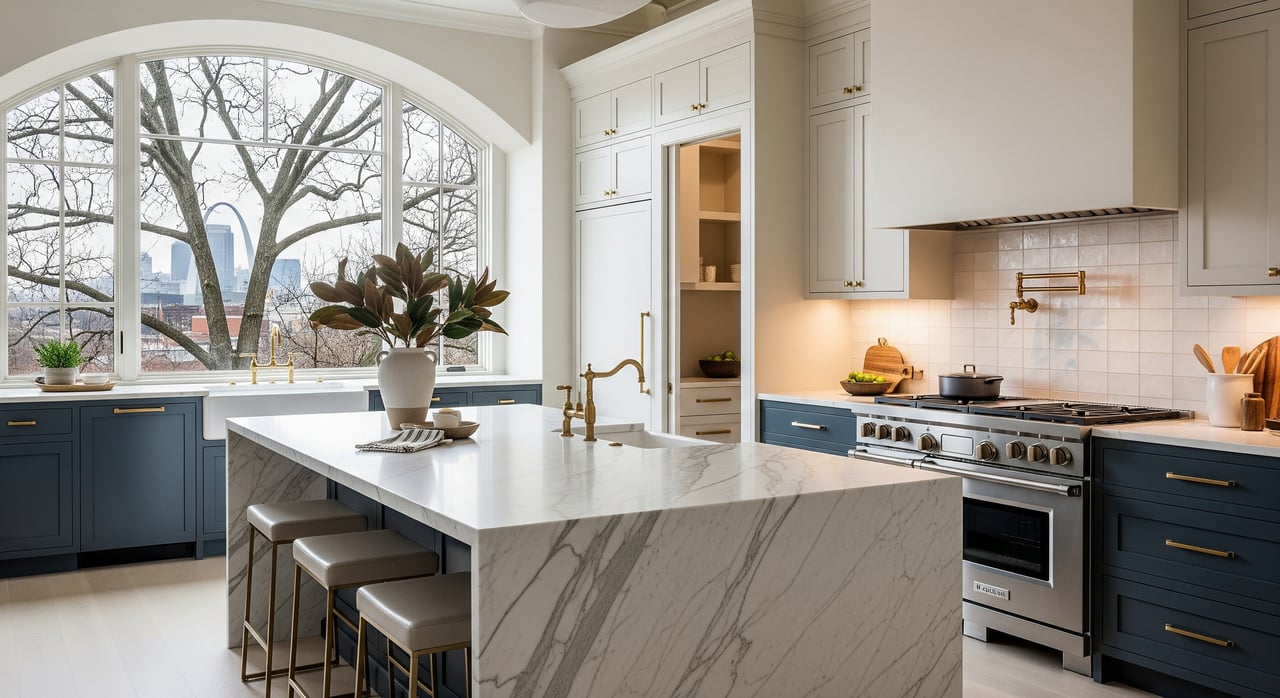
A cosmetic kitchen refresh often beats a full remodel when you’re selling soon. Focus on paint or refinishing cabinetry, new hardware, updated countertops, a clean backsplash, modern faucet, matching appliances, and layered lighting. Keep layout changes to a minimum.
Why it works here: Many St. Louis homes are older, and buyers respond to clean, light, functional kitchens that signal fewer near-term expenses. National insights from the latest Cost vs. Value report show targeted updates often recoup a larger share than major gut renovations when selling soon.
Timing: 2 to 8 weeks for cosmetic work, depending on contractor availability. Get 2 to 3 quotes before choosing between refinishing versus replacing doors or cabinets.
Refinish hardwood floors
If you have solid hardwoods, refinishing is a high-impact upgrade. It brightens rooms, reads as “well maintained,” and elevates photos.
Why it works here: Many city and inner-ring homes hide original hardwoods under carpet. Refinishing usually costs less than full flooring replacement and delivers a strong visual payoff.
Timing: 3 to 7 days of on-site work, plus cure time before showings. Book several weeks in advance.
Lighting and small interior updates
Replace dated fixtures, add under-cabinet lighting, consider recessed cans where practical, and shift to warm LED bulbs. Update switch plates and bathroom mirrors.
Why it works here: Proper lighting makes older homes feel larger and more current, and it photographs better. For a modest cost, lighting can make rooms feel newly remodeled.
Timing: 1 day to 2 weeks, depending on electrical work. Use licensed electricians for new circuits.
Curb appeal and exterior maintenance
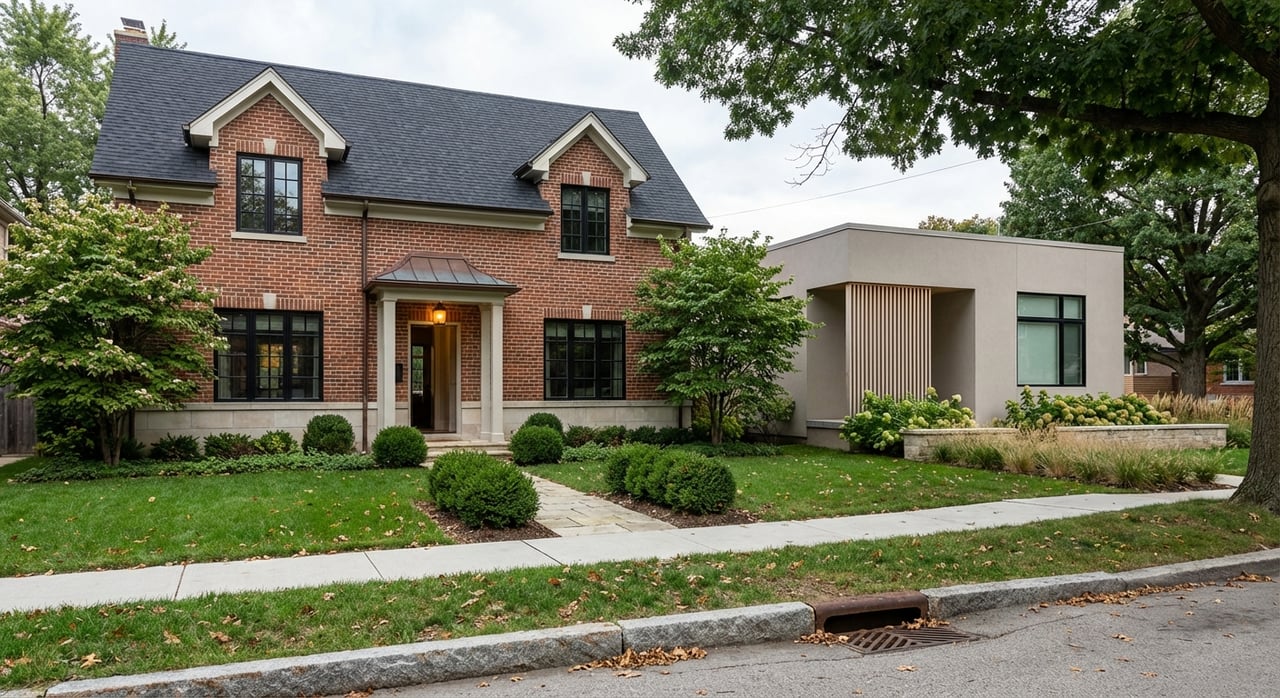
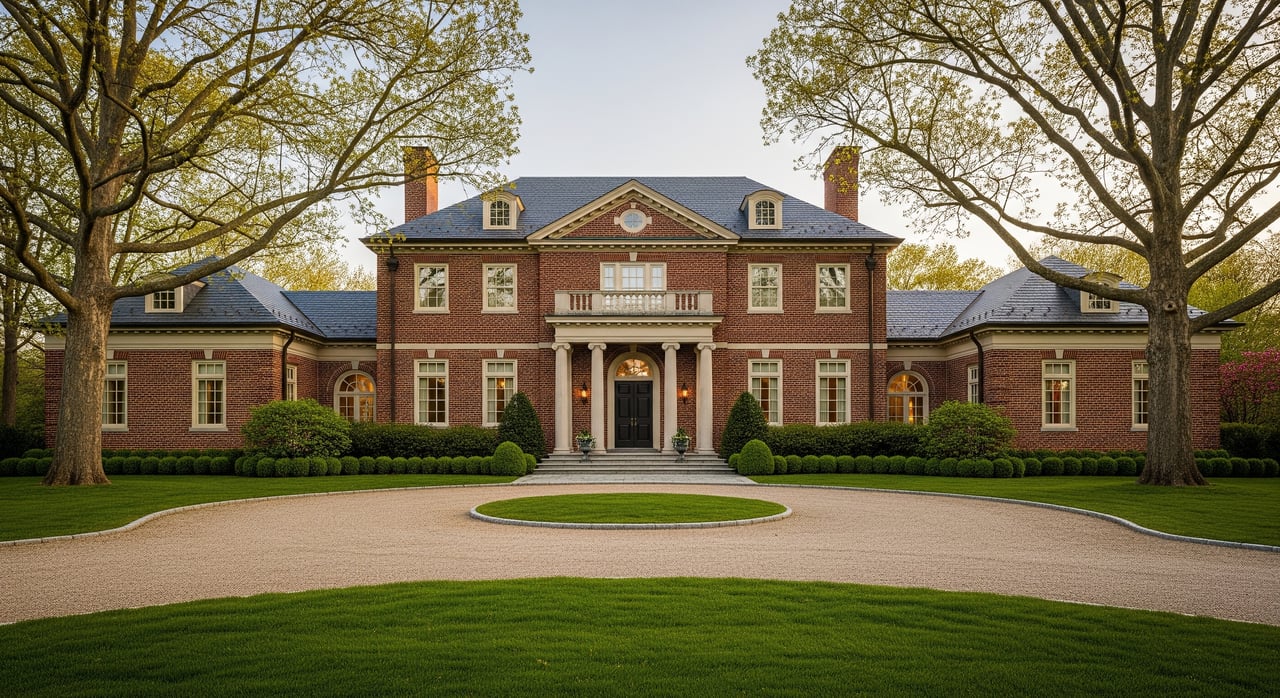
Pressure-wash siding or brick, freshen mulch, trim shrubs and trees, and touch up the front door. Clean gutters, repair cracked steps, and replace worn house numbers or mailboxes.
Why it works here: First impressions drive showing requests across St. Louis neighborhoods. Strong curb appeal encourages buyers to book a tour.
Timing: 1 day to 3 weeks. This work is quick and yields outsized returns for the cost.
Targeted bathroom updates
Re-grout or re-caulk, replace a dated vanity top or fixtures, add a fresh mirror and lighting, and reglaze a stained tub. Keep changes cosmetic unless your timeline allows more.
Why it works here: Buyers want clean, functional bathrooms. Small fixes reduce perceived future repairs.
Timing: 1 to 3 weeks for minor projects; longer for tile work.
Systems and pre-list repairs
Address roofing leaks, visible foundation cracks, HVAC issues, plumbing leaks, and electrical hazards. Ensure the water heater is in good working order.
Why it works here: Older homes and thorough inspections are the norm in St. Louis. Taking care of known issues early can reduce inspection renegotiations and keep your deal on track.
Timing: Varies. Plan for 2 to 6 weeks for major systems scheduling.
Exterior living spaces
Refresh a deck or patio, add railings where needed, and stage with simple outdoor seating.
Why it works here: Outdoor space is a major plus in many suburbs and select city lots, especially in spring and fall.
Timing: Weeks, depending on repairs or sealing.
Low-cost, high-impact wins
Fresh neutral paint, deep cleaning, decluttering, minor carpentry, and updated hardware create a polished look fast. These projects can be completed in days to two weeks.
Match upgrades to your neighborhood
Finish level should align with local expectations. In higher-end areas like Clayton, Central West End, Webster Groves, Frontenac, Ladue, and Town & Country, buyers often expect elevated finishes and turnkey presentation. In many working-class historic neighborhoods and city areas, well-executed cosmetic updates, flooring, lighting, and curb appeal often deliver strong returns. Suburban buyers may also value garages, storage, updated mechanicals, and outdoor living.
For timing and pricing strategy, keep an eye on local trends through St. Louis REALTORS market statistics. Your approach may shift with seasonality and inventory levels.
Factor in St. Louis climate
Hot, humid summers and cold winters increase the value of:
- Efficient HVAC with recent service records.
- Clean gutters, downspouts, and proper drainage away from the foundation.
- Working sump pumps in moisture-prone basements.
- Insulation and weatherproofing that can improve comfort and utility costs. For guidance, explore ENERGY STAR home improvement resources.
Permits and licensed trades
St. Louis City and St. Louis County handle permitting differently. Structural, electrical, plumbing, and some exterior projects typically require permits.
- Review city guidance through the City of St. Louis Building Division.
- For county properties, check St. Louis County permit information.
- Electrical, plumbing, and HVAC work should be performed by licensed contractors. You can confirm credentials through the Missouri Division of Professional Registration.
Plan your timeline: 3–12 months
If you’re listing in 3 months or less
- Prioritize cosmetic wins: paint, lighting, deep clean, declutter, curb appeal.
- Knock out minor repairs and obvious safety issues.
- Avoid large projects that could delay listing.
If you’re listing in 3–6 months
- Add floor refinishing, kitchen refreshes, and targeted bathroom updates.
- Book contractors now and build in buffer time for materials and potential permitting.
If you’re listing in 6–12 months
- Consider larger projects that may require permits, if neighborhood comps justify them.
- Evaluate whether modest layout tweaks or a deck rebuild could move the needle.
Across scenarios, plan for staging and professional photography after work is complete and the home is deep-cleaned. National buyer insights from NAR research and the Cost vs. Value report support prioritizing targeted, cosmetic updates over large remodels when you are near listing.
Contractor selection checklist
Use this quick vetting list before you sign with a contractor:
- Verify license and insurance; ask for recent local references and photos.
- Get a written scope, timeline, payment schedule, and warranty terms.
- Confirm who will pull permits and handle inspections.
- Ask about subcontractors and their qualifications.
- For tight timelines, ask about expedited scheduling and any cost impacts.
- Consider third-party ratings or dispute resources through the Better Business Bureau.
Budgeting and sequencing tips
- Build a 10 to 20 percent contingency for surprises, especially in older homes.
- Tackle repairs that reduce buyer objections first: roof, moisture, safety, and mechanicals.
- Sequence dusty work first, then repairs, then paint, then floors, then fixtures and final cleaning.
- Schedule photos only after projects are complete and surfaces are cured or dry.
Pre-list inspection checklist
A pre-list inspection, or at least a contractor walkthrough, can surface issues early and reduce renegotiation risk. Use this ready-to-use checklist to prepare for market:
Safety and systems
- Fix active roof leaks or missing shingles.
- Service HVAC and replace filters; keep maintenance receipts.
- Repair electrical hazards and nonfunctional outlets.
- Address plumbing leaks and running toilets.
- Confirm water heater operation; replace if near end-of-life.
Structure and moisture
- Patch and seal visible foundation cracks; get evaluation if significant.
- Improve drainage with clean gutters and extended downspouts.
- Test sump pump; install or replace if water issues are known.
Cosmetic and quick wins
- Repaint interiors in neutral tones.
- Re-grout or re-caulk tubs and showers.
- Replace torn screens; clean windows and add simple blinds.
- Update dated hardware and switch plates.
Staging and final touches
- Deep clean carpets or remove carpet to showcase hardwood.
- Consider professional staging if price point or layout calls for it.
- Book professional photos when lighting is favorable and work is complete.
Getting your upgrade plan right is as much about precision as it is about polish. If you want a tailored, data-driven strategy that aligns finish level, timing, and pricing with your neighborhood, reach out. Will Springer Homes offers boutique, single-advisor representation backed by disciplined negotiation and premium marketing to help you achieve the highest net result.
FAQs
What upgrades deliver the best ROI before selling a St. Louis home?
- Prioritize a kitchen refresh, refinished hardwoods, improved lighting, curb appeal, and pre-list repairs; these typically outperform major remodels when you’re near listing.
Should I refinish hardwood floors or replace with new flooring?
- If existing hardwoods are in decent shape, refinishing often delivers a strong visual upgrade for less cost and time than replacement.
Do I need permits for my updates in St. Louis City or County?
- Many structural, electrical, plumbing, and exterior projects require permits; check the City Building Division or County permits before starting.
When should I start pre-sale work if I’m 6 months out?
- Begin planning and bids now, schedule mid-scope projects like floor refinishing or a kitchen refresh, and leave buffer time for materials and any permits.
Is a pre-list inspection worth it in St. Louis?
- It can reveal issues common in older homes (roof, moisture, electrical) and help you address them before buyer inspections, reducing renegotiation risk.