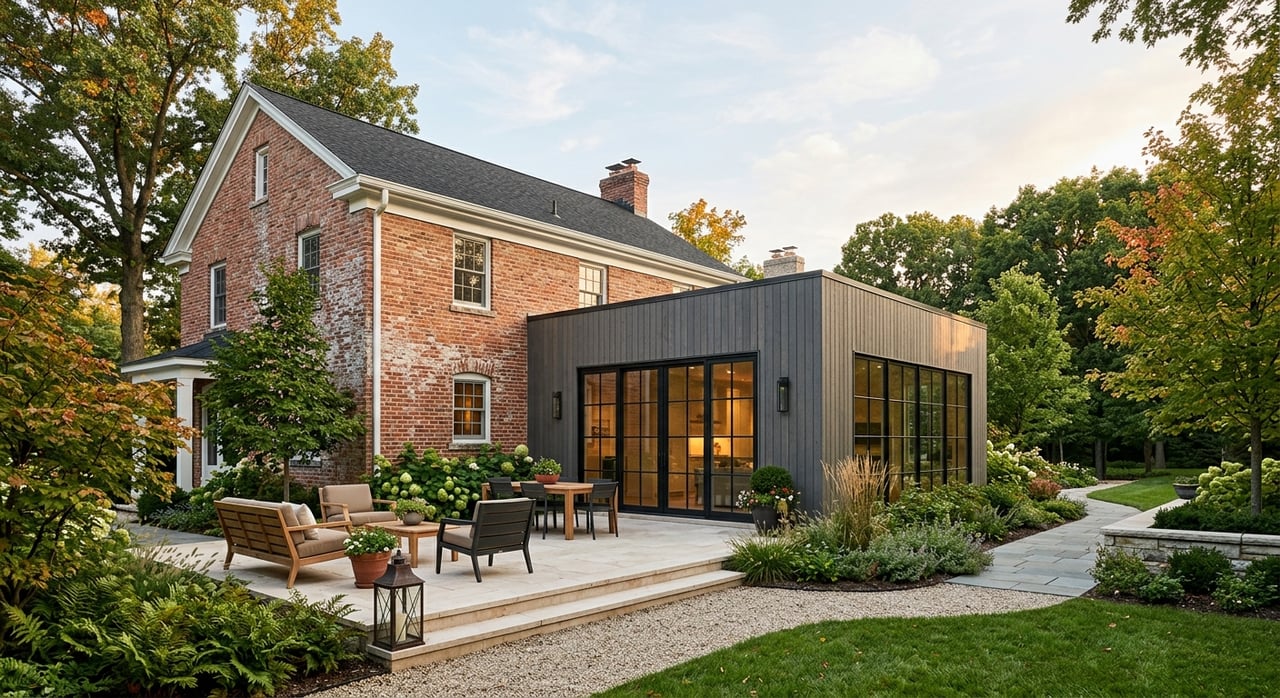
Wondering whether a new build or an older home makes more sense in Kirkwood? You are not alone. In a city known for historic character, mature trees, and established blocks, that choice is rarely simple. This guide will help you compare how new construction and classic homes really work in Kirkwood so you can make a smarter decision with fewer surprises. Let’s dive in.
Kirkwood’s Housing Mix
Kirkwood is not a blank-slate development market. It is a mature inner-ring suburb with a long preservation identity, and the city notes that it was established in 1853 as the first planned residential commuter suburb west of the Mississippi.
That history still shapes today’s housing choices. Kirkwood lists 85 designated landmarks and nine local historic districts, with additional properties and districts also recognized on the National Register. The city also has a high owner-occupancy rate of 77.2%, and the median value of owner-occupied homes is $451,400.
For most buyers, the real comparison is not between a large new subdivision and an older resale home. In Kirkwood, it is more often a choice between infill or teardown-rebuild construction and a wider range of older homes that already fit the area’s established streets and lot patterns.
What New Construction Means in Kirkwood
If you picture wide-open land and rows of brand-new homes, Kirkwood may not match that idea. A city housing study reported 479 new housing units built between 2015 and 2020, and 94% of that new housing was single-family.
That is meaningful activity, but it is still limited in a city with a strong preservation framework and built-out neighborhoods. In practice, many new homes in Kirkwood come through infill projects, major rebuilds, or teardowns rather than large-scale neighborhood expansion.
New Homes Follow Tight Rules
New construction in Kirkwood is regulated closely. The city requires permits and inspections for all new construction, and contractors must be licensed with the city.
The city also advises property owners to review deed restrictions, subdivision indentures, plats, and title information before construction begins. That matters because even if a project looks workable at first glance, private restrictions may affect what can actually be built.
Lot Size and Height Matter
Kirkwood zoning standards help shape what new construction can look like. Minimum lot sizes range from 7,500 to 43,560 square feet, lot widths range from 60 to 150 feet, and primary structures are generally capped at 35 feet and 2½ stories.
The city also states that new construction is generally not permitted in front of an existing residence. That rule helps explain why new homes often appear as carefully placed infill or full replacement projects instead of dense redevelopment.
Trees and Site Work Are Part of the Process
In Kirkwood, the lot itself can be a major part of the decision. The city requires tree-protection inspections for demolition, new construction, and final stages through its submittal process, and its forestry division emphasizes protection of the mature tree canopy.
The Water Division also notes that final grade and sod must be complete before final site inspection for new construction. New-tap and service-line inspections may also be part of development work. In short, building new here means managing more than floor plans and finishes.
When New Construction May Fit Best
New construction may be the better fit if you want:
- A more controlled layout and footprint
- A lot that can support your design goals
- Fewer concerns about older-home systems
- A path you are comfortable navigating within zoning, permit, and tree-protection rules
For the right buyer, a well-planned new home can offer a clean slate. But in Kirkwood, that clean slate still comes with local constraints that deserve careful review early.
What Classic Homes Mean in Kirkwood
Classic homes in Kirkwood are not one thing. The city’s design guidelines identify a wide range of local styles, including I-house, Italianate, Mission, Monterey, ranch, split-level, mid-century modern, and other postwar forms.
That means a classic Kirkwood home could be a prewar property with architectural detail, a 1950s ranch on a settled street, or a mid-century home with its own neighborhood identity. If you value character and a home that feels rooted in place, Kirkwood offers real variety.
Historic Status Can Affect Flexibility
Some older homes come with added review requirements. The city says exterior alterations or demolitions involving designated landmarks are subject to Landmarks Commission review, and demolition and new construction in local historic districts are also reviewed under city design guidelines.
Because Kirkwood has 85 designated landmarks and nine local historic districts, you should confirm a property’s status before assuming you can remodel freely. That step is especially important if your plans include exterior changes or a major addition.
Utility and Infrastructure Checks Matter
With older homes, due diligence often goes beyond what you can see during a showing. Kirkwood’s Water Division says it notifies property owners each year when service lines are lead, galvanized, or unknown, and it explains that older lead or galvanized lines may pose health risks.
The city also provides guidance, inspection help, and replacement assistance. If you are considering an older home, checking service-line material early can help you plan both costs and timing.
Occupancy Paperwork May Be Required
Another detail that surprises some buyers is Kirkwood’s occupancy process. The city’s Building Division says all changes in occupancy require a permit and inspection, and an occupancy certificate is issued after the property passes inspection.
The city specifically notes that sellers, landlords, buyers, and new occupants may all need to engage in that process. For older homes especially, this is worth understanding before closing so you know what to expect.
When a Classic Home May Fit Best
A classic Kirkwood home may make the most sense if you want:
- Established neighborhood patterns and mature landscaping
- Architecture with history and personality
- A home style that already feels connected to Kirkwood
- Long-term value in preserving character while updating systems over time
For many buyers, that sense of place is the main draw. You may trade some flexibility, but you often gain architectural identity and a setting that feels distinctly Kirkwood.
New Construction Versus Classic Homes
The best choice usually comes down to priorities. In Kirkwood, both options can work well, but they solve different problems.
| Priority | New Construction | Classic Home |
|---|---|---|
| Layout control | Stronger fit | More limited by existing structure |
| Historic character | Usually less built-in | Often a major advantage |
| Regulatory review | Zoning, permits, tree rules | May include historic review and occupancy steps |
| Site context | Often infill or teardown-rebuild | Already established on the block |
| Older systems concerns | Typically fewer | More important to evaluate early |
If you want a home designed around your preferences and are comfortable with process, new construction can be appealing. If you care more about block character, architectural style, and an already-settled setting, a classic home may be the stronger fit.
How to Make the Right Choice
A practical decision starts with the property, not just the category. A well-sited new home may make perfect sense on one block, while a thoughtfully maintained older home may be the obvious choice on another.
Here are a few useful questions to ask yourself:
- Do you want design control, or do you want established character?
- Are you comfortable with zoning, permit, and site-related review?
- Would exterior renovation limits be a problem for you?
- Are you prepared to evaluate service lines, occupancy requirements, and other older-home details?
- Does the home feel appropriate for the lot and the surrounding block?
In Kirkwood, fit matters. Homes that feel well-matched to their setting often make the most sense both for daily living and long-term appeal.
What Often Helps Resale in Kirkwood
Kirkwood’s market context suggests that resale is less about choosing one age of home over another and more about choosing the right house for the right setting. With high owner-occupancy, premium home values, and limited recent new-construction volume, buyers often respond well to homes that feel natural on their block.
For newer homes, careful scale and site fit tend to matter. For classic homes, visible upkeep, preserved character, and attention to systems can make a meaningful difference. In either case, buyers are often looking for a property that respects Kirkwood’s established pattern rather than fighting against it.
Final Thoughts on Buying in Kirkwood
Kirkwood gives you a real choice, but not a simple one. New construction can offer control and a fresh start, while classic homes can offer character, variety, and a stronger connection to the city’s historic fabric.
The key is knowing what the property can support, what local rules may apply, and which tradeoffs matter most to you. With a market like Kirkwood, careful analysis upfront can save time, reduce risk, and help you buy with more confidence.
If you are weighing a teardown, infill opportunity, or older home in Kirkwood, working with an advisor who can help you think through the property, process, and contract details can make the decision much clearer. To start the conversation, schedule a consultation with Will Springer Homes.
FAQs
Is new construction common in Kirkwood?
- Not especially. A city housing study reported 479 new housing units built between 2015 and 2020, and 94% of that new housing was single-family.
Can you tear down a home and rebuild in Kirkwood?
- Sometimes, but the process is shaped by zoning standards, permit requirements, tree-protection rules, and, in some cases, historic review.
Do older homes in Kirkwood have more buying steps?
- Often yes. Depending on the property, you may need to review historic-district status, service-line material, and occupancy inspection requirements before closing.
Do historic districts in Kirkwood limit renovations?
- They can. The city says demolitions and certain exterior changes involving landmarks or local historic districts are subject to review under preservation rules and design guidelines.
What should you check first when comparing a new and older Kirkwood home?
- Start with lot constraints, historic status, service-line information, and occupancy requirements. Those factors can affect both your budget and your flexibility.